 Skip to content

What Are the Different Types of Maintenance Technicians?
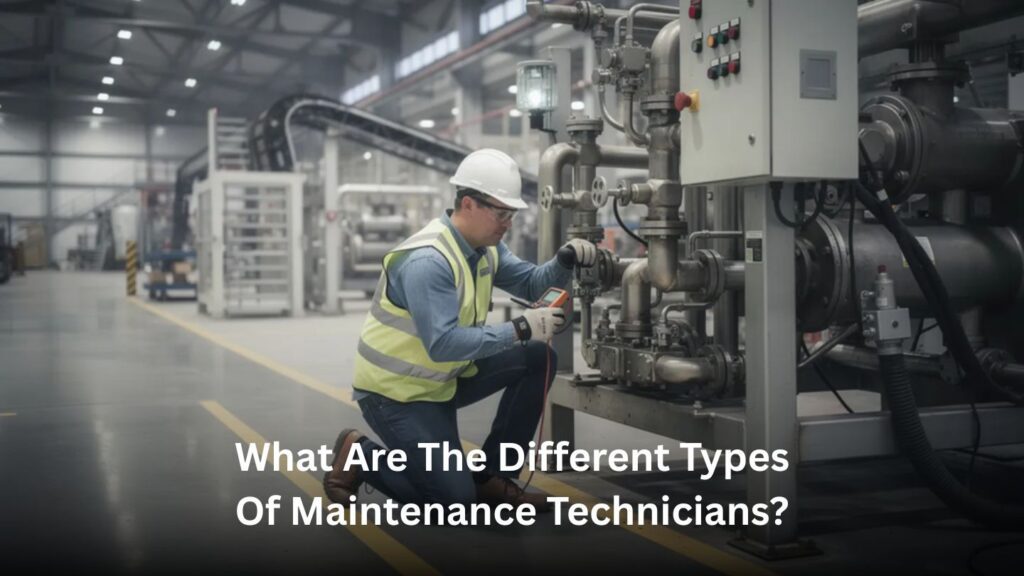
Maintenance technicians play a critical role in keeping commercial buildings, multifamily communities, and industrial facilities operating safely and efficiently. From mechanical systems and electrical infrastructure to HVAC and general property upkeep, different technician types bring specialized expertise to daily operations. In this blog, we’ll break down the key distinctions between maintenance technician roles to help property managers and employers build stronger teams, reduce downtime, improve compliance, and ensure consistent service quality across residential, commercial, and industrial environments.
Key Takeaways
- “Maintenance technician” is an umbrella term covering mechanical, electrical, building/facilities, HVAC, and multi-skilled roles across manufacturing, commercial buildings, and critical infrastructure.
- Different types of technicians focus on different systems: moving machinery, electrical and control systems, building fabric and services, and climate or process conditions.
- Organizations often combine several technician types on one maintenance team to cover preventive, corrective, and emergency work around the clock.
- Specialization typically requires targeted vocational training or apprenticeships, while smaller sites may rely on more generalist “all-rounder” technicians.
- Choosing the right mix of technician types improves uptime, safety, and regulatory compliance in industries like manufacturing, healthcare, and food processing.
Introduction: Why Different Types of Maintenance Technicians Matter
Modern plants and facilities rely on several kinds of maintenance technicians, each with a defined scope of work and specialized technical knowledge. From industrial machinery in a manufacturing plant to electrical systems in office buildings, these skilled maintenance technicians keep operations running smoothly and safely.
To fully understand the landscape, it helps to first clarify what a maintenance technician is and the essential roles and skills involved. At its core, the position centers on inspection, repair, preventive maintenance, troubleshooting, and ensuring systems remain operational and compliant with safety standards.
Understanding the role a maintenance technician plays in day-to-day operations also highlights why specialization exists. Some technicians focus primarily on equipment reliability, others on building systems, and others on environmental controls like HVAC. Together, they form the backbone of operational continuity across manufacturing, logistics, healthcare, and property management in 2025.
This article focuses specifically on the main types of maintenance technicians (not engineers or planners) and how they fit into day-to-day maintenance operations. Whether you manage a single property or oversee a large maintenance team, knowing these distinctions helps you make smarter staffing and hiring decisions.
Mechanical Maintenance Technicians
Mechanical maintenance technicians specialize in moving equipment and mechanical systems such as conveyors, pumps, gearboxes, and hydraulic presses. They keep heavy duty equipment operational and respond quickly to equipment failures that could halt production.
Typical day to day tasks include:
- Replacing bearings, seals, and belts according to preventive maintenance schedules
- Aligning shafts and couplings to manufacturer specifications
- Lubricating critical components based on PM plans
- Responding to emergency breakdowns like seized motors or jammed conveyors
- Performing repairs on pneumatic and hydraulic systems, including cylinders, valves, hoses, and pressure regulation hardware
- Conducting diagnostic tests to identify root causes of mechanical failures
Common work environments:
- Automotive assembly lines
- Food processing and beverage packaging facilities
- Metal fabrication shops
- Warehouses with automated material handling systems
- Municipal water and wastewater treatment plants
The skills and qualifications expected in today’s workplaces include strong mechanical aptitude, ability to read technical drawings, and safe use of hand and power tools. Most employers look for candidates with a mechanical apprenticeship, vocational diploma, or equivalent hands on work experience.
Mechanical technicians frequently collaborate with electrical technicians on mechatronic systems where mechanical faults and sensor or drive issues overlap. This cross-discipline understanding is increasingly valuable as manufacturing processes become more automated.
Electrical Maintenance Technicians

Electrical maintenance technicians install, inspect, troubleshoot, and repair industrial electrical systems and equipment. They play a critical role in keeping automated production lines running and ensuring electrical equipment operates within safety standards.
Core responsibilities include:
- Maintaining motors, drives (VFDs), and power distribution panels
- Installing and repairing control wiring, sensors, and instrumentation
- Tracing faults using multimeters, insulation testers, or oscilloscopes
- Replacing contactors, relays, and electronic components
- Calibrating level, pressure, and temperature transmitters
- Ensuring lockout/tagout procedures are correctly applied
- Performing diagnostic tests on electrical circuits
In many manufacturing facility environments, these technicians support or overlap with automation roles, working on PLC-controlled equipment, basic I/O troubleshooting, and networked control cabinets. According to NFPA data, arc flash incidents cause approximately 2,000 injuries per year in the United States, highlighting the importance of proper safety procedures and up-to-date training.
Typical workplaces:
- Chemical plants and refineries
- Data centers
- Pharmaceutical facilities
- Semiconductor fabs
- Large distribution centers with extensive conveyor and sortation systems
Employers typically require an electrical apprenticeship, electrician license, or equivalent technical degree. Experience in industrial settings, rather than residential work alone, is often a key requirement given the complexity of industrial machinery and the need for compliance with codes like NFPA 70E.
Building and Facilities Maintenance Technicians
Building and facilities maintenance technicians focus on maintaining the structural and service elements of properties, lighting, plumbing fixtures, doors, roofing, fire systems, and general infrastructure.
In residential and multifamily settings, understanding the role and responsibilities of a non-certified maintenance technician becomes especially relevant. While non-certified technicians can handle routine repairs, minor plumbing fixes, drywall patching, and fixture replacements, certain regulated tasks still require licensed professionals. This distinction helps property managers assign work safely and efficiently.
How the role differs by site size:
| Site Type | Role Scope |
| Small buildings (retail stores, small office buildings) | Generalists handling minor repairs to plumbing, electrical outlets, carpentry, and painting |
| Large campuses (hospitals, universities, airports) | Part of a larger facilities team following structured maintenance protocols and work orders |
Typical responsibilities:
- Inspecting and replacing light fixtures and emergency lighting
- Repairing door hardware, locks, and access control systems
- Fixing leaks in non-critical plumbing fixtures
- Coordinating with external vendors for elevator, fire alarm, or specialist system maintenance
- Conducting routine maintenance on building systems
- Responding to maintenance issues reported by occupants
In apartment communities, hiring decisions often focus on reliability, technical breadth, and customer interaction skills. When evaluating candidates, property managers typically prioritize communication ability, troubleshooting skills, and safety awareness, key factors frequently considered in questions to ask when hiring an apartment maintenance technician.
HVAC and Refrigeration Maintenance Technicians

HVAC (heating, ventilation, and air conditioning) and refrigeration technicians specialize in temperature, humidity, and air quality control in buildings and process environments. They handle both comfort cooling systems in commercial buildings and process cooling for specific equipment in data centers or pharmaceutical storage.
Systems they work on:
- Chillers and boilers
- Rooftop units and air handlers
- VRF/VRV systems
- Walk-in coolers and freezers
- Process cooling equipment for food processing or server rooms
Routine maintenance tasks:
- Checking refrigerant pressures and temperatures
- Cleaning coils and replacing filters
- Verifying airflow and system performance
- Replacing belts and lubricating components
- Recalibrating thermostats and control valves
- Logging system performance data for trending analysis
Compliance with environmental and safety regulations is essential. In the US, EPA Section 608 certification is required for handling refrigerants. In the EU, F-gas regulations govern refrigerant use. These maintenance professionals must understand both the technical and regulatory aspects of their work.
Industries where HVAC technicians are critical:
- Pharmaceutical storage and manufacturing
- Healthcare facilities with strict temperature requirements for medical equipment
- Cold chain logistics
- Data centers hosting critical IT infrastructure
- Food processing plants
Employers typically look for HVAC trade school training, refrigeration certifications, and field experience with both comfort and process cooling systems.
Multi-Skilled and General Maintenance Technicians
Many organizations, especially small to mid-sized operations, rely on multi-skilled or “all-rounder” maintenance technicians who cover several disciplines. These general maintenance technicians provide flexibility and faster response times when specialized staff aren’t available.
A typical week might include:
- Monday: Replacing a pump seal (mechanical work)
- Tuesday: Resetting an overloaded circuit and checking cabling (basic electrical troubleshooting)
- Wednesday: Patching a wall and adjusting door closers (building repairs)
- Thursday: Changing HVAC filters and checking refrigerant levels (air conditioning maintenance)
- Friday: Performing preventive maintenance rounds across multiple systems
Multi-skilled technicians often handle first-line maintenance: initial fault finding, simple adjustments, and deciding when to escalate maintenance issues to specialists or external contractors. This approach is especially valuable on night shifts and weekends, where a single maintenance worker might be responsible for keeping an entire line, warehouse, or building operational.
Research suggests organizations using generalist technicians can achieve 15-20% cost savings on staffing compared to maintaining separate specialists for every discipline. However, there are limits, complex repairs, high-voltage electrical work, or regulated refrigerant handling require specific licenses that not every generalist holds.
Employers support multi-skilled development through:
- Cross-training programs moving technicians from a single trade into broader roles
- Basic PLC fault-finding training for mechanical fitters
- HVAC fundamentals courses for electrical technicians
- Safety certifications like confined space entry and working at height
While these technicians may not perform major repairs in every discipline, their breadth of skills helps reduce downtime and ensures faster response to emergency repairs across the facility.
How Maintenance Technician Types Fit into a Maintenance Team
Modern maintenance departments combine several technician types with maintenance planners, engineers, and maintenance managers to cover preventive, predictive, and corrective work. Understanding how these roles interact helps organizations achieve operational efficiency and maintain equipment reliability.
Team collaboration scenarios:
| Scenario | Technician Types Involved |
| Planned shutdown | Mechanical, electrical, HVAC technicians working together on major repairs |
| New production line installation | Electrical technicians handling wiring, mechanical technicians aligning equipment |
| Building renovation | Facilities technicians are coordinating with other departments and contractors |
| Emergency breakdowns | A multi-skilled technician provides the first response, and specialists are called as needed |
Maintenance planners and supervisors use computerized maintenance management systems (CMMS) to assign tasks to the right technician type based on skills, certifications, and availability. Organizations that use a separate maintenance scheduler can reduce technician downtime by 20-30% through better planning and kitting of parts and tools.
Team structures vary by site size:
- Large sites often formalize specialist teams: a rotating equipment team, an electrical and controls team, an HVAC and utilities team
- Smaller sites combine responsibilities into fewer roles, with multi-skilled technicians handling most day-to-day tasks
The growing importance of cross-discipline understanding cannot be overstated. Mechanical technicians learning basic electrical safety can identify potential issues before they escalate. Electrical technicians’ understanding of mechanical wear patterns can help diagnose root causes more effectively. This collaborative approach helps seasoned professionals mentor other technicians while improving overall team performance.
A well-designed maintenance strategy requires the right mix of technician types to prevent site-wide shutdowns and maintain equipment uptime. According to the Bureau of Labor Statistics, installation and maintenance occupations are projected to grow 4% through 2032, with approximately 611,400 annual openings driven by equipment complexity and retirements.
Choosing the Right Technician Mix for Your Operation

Building an effective maintenance team starts with understanding your critical assets and matching them to the right skills. Here’s a practical approach:
Step 1: Map your critical assets
- Production lines and complex machinery
- Utilities (HVAC, electrical distribution, plumbing)
- Building infrastructure
- New equipment installations planned
Step 2: Calculate coverage needs
- Identify which shifts require which specialties
- Determine risk levels for each system
- Ensure at least one technician with the right license or specialty is available when critical operations run
Step 3: Balance in-house and contract resources
- Core team of in-house technicians (mechanical, electrical, HVAC, facilities) for routine maintenance and rapid response
- Specialist contractors for highly regulated or low-frequency tasks like major overhauls or niche equipment servicing
The median annual wage for maintenance and repair workers varies by specialization, but opportunities remain strong across all types of maintenance technicians. Whether you’re filling key responsibilities on a manufacturing team or maintaining commercial buildings, the right technician mix delivers better uptime, lower costs, and improved safety performance.
Final Thoughts
Understanding the different types of maintenance technicians, mechanical, electrical, facilities, HVAC, and multi-skilled professionals, allows organizations to structure teams that reduce downtime, improve safety, and maintain regulatory compliance. Each role serves a specific function, from supporting complex industrial machinery to maintaining building systems and environmental controls. By aligning technician specialties with critical assets, shift coverage needs, and operational risks, property managers and facility leaders can create a balanced maintenance strategy that ensures consistent performance across commercial, multifamily, and industrial environments.
At OnSite Property Solutions, we help property managers and multifamily communities strengthen their workforce through professional staffing solutions, including maintenance technician jobs in Atlanta. Through comprehensive onsite staffing services, punch technician staffing, and opportunities such as maintenance supervisor and technician openings in Macon & Georgia, we support dependable, high-performing maintenance teams. Contact us now to learn how we help properties maintain safe, efficient operations.
Frequently Asked Questions
What is the difference between a maintenance technician and a maintenance engineer?
A maintenance technician focuses on hands on work such as inspections, part replacement, and routine repairs. They perform maintenance tasks on the shop floor or in the field, following established procedures. A maintenance engineer usually handles more complex analysis, reliability engineering, system design changes, and high-level troubleshooting.
Can one person cover multiple types of maintenance technician roles?
In smaller organizations, it’s common for one multi-skilled technician to handle mechanical, basic electrical, and building tasks, especially outside regular hours. However, legal and safety limits apply: high-voltage electrical work on electrical circuits or regulated refrigerant handling often require specific licenses or certifications.
Which type of maintenance technician is most in demand right now?
Demand varies by region, but roles requiring strong electrical, automation, and HVAC/refrigeration skills are consistently sought after. This demand is driven by ongoing industrial automation and stricter energy and environmental regulations.
How should a company decide which technician types to hire?
Start by mapping critical assets, production lines, utilities, HVAC systems, building infrastructure, and identify which skills are essential to maintain equipment and keep operations running. Calculate coverage needs by shift and risk level, ensuring adequate specialty coverage during all operating hours.
About The Author
